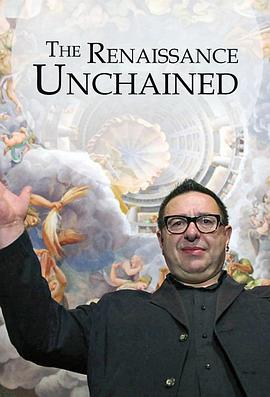
别被这部长纪录片的“大片”外表骗了,它其实是披着电影外衣的讲故事。从文艺复兴的大佬到二流大师,他带你领略那个时代的风华。如果你喜欢看历史八卦与冒险元素结合,那这部节奏明快、干货满满的节目绝对能让你大呼过瘾,保准让你一集接着一集停不下来。 剧情里他一路颠簸,用极简的布景和神演技复刻了波提切利、卡拉瓦乔等大师的代表作,视觉冲击力极强。如果你想了解艺术史,但又觉得教科书枯燥,这部充满烟火气和反叛精神的节目绝对值得一看。看他在博物馆里蹦跶,仿佛跟着他钻进了画布里的秘密花园——原来那些挂满墙的“神作”,竟藏着这么多没说破的八卦和暗号。
According to Giorgio Vasari, the first art historian, the Renaissance was centred on a revival of interest in classical art that began and flourished in Italy. Waldemar disagrees, and accuses Vasari of errant jingoism. In fact, the most significant early developments in Renaissance art took place not in Italy, but in the ‘barbarian’ lands of Flanders and Germany. Instead of understanding the Renaissance as a return to classical models, we should see it as a climax of medieval values - an epoch of huge religious passions and powerful human emotions.
The series will celebrate material that is new to television. Waldemar will include art that is not usually thought of as Renaissance art. This will involve 're-classifying' what is sometimes called Late Gothic, and showing it off as a marvellous and native artistic tradition, particularly in the remarkable field of polychrome sculpture. On top of all the new art to be introduced, Waldemar will also look from fresh and intriguing angles at many of the established Renaissance giants, including Michelangelo in the Vatican, Leonardo in the Louvre, Botticelli in the Uffizi and Van Eyck in Ghent.
相关搜索:
第二次文艺复兴文艺复兴的四个特征文艺复兴终究复兴了什么文艺复兴为什么叫文艺复兴文艺复兴具体时间