大洪水
2025-09-21 02:05:51
立即播放
如果你正在犹豫要不要看,我可以告诉你:这部1933年的《大洪水》是早期灾难片中少有的“反奇观”作品——导演费利克斯·E·费斯特没有把预算砸在洪水淹没城市的模型特效上,反而把镜头对准小镇居民在灾前灾后的琐碎对话与心理挣扎。佩吉·香农演的那个母亲,抱着孩子站在泥水里时,眼神里没有一丝夸张的表演痕迹,只有茫然的疲惫,这种真实比任何哭喊都揪心。 影片的叙事极其克制,镜头像一双冷静的眼睛,慢慢聚焦到水面上漂浮的杂物、窗边颤抖的手指,用细节代替咆哮。佩吉·香农饰演的母亲在屋顶抱着孩子等待救援时,眼神里不是煽情的泪光,而是冻僵后麻木的求生本能;西德尼·布莱克默演的那个自私商人,在最后关头把救生圈让给陌生人的动作干脆又笨拙,反而比任何台词都动人。西德尼·布莱克默演的那个固执丈夫,从拒绝撤离到最后推着木筏送妻儿离开时无声的眼泪,没有一句台词却比任何呐喊都戳心。西德尼·布莱克默饰演的工程师则承担了道德困境:他的犹豫与最终牺牲,让灾难不再只是自然暴力。
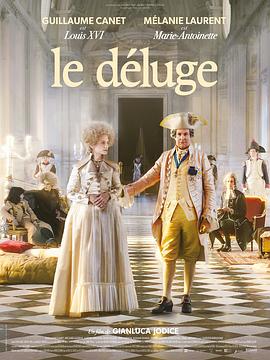
When talking about Louis XVI and his wife Marie Antoinette, what immediately comes to mind are lace, tall wigs, flamboyant clothes and colours, Versailles, or… the guillotine. Here, between these two extremes, exists a middle ground, a period of time seldom explored: the few months when the last king and queen of France were imprisoned, with their two young children, in a black castle on the outskirts of Paris, awaiting their executions. A brief and condensed period where, amidst violence and harassment, all masks fell off: those of two royals, as public and private figures; that of the old regime; that of a History that finally turned the page; and that of God who, from then on, was eclipsed by the shadows, leaving man entirely alone.
相关搜索:
史前大洪水史前大洪水真的存在吗山洪暴发视频历史最大洪水史前大洪水是哪一年